From Cricket Glory to a 6×8 Cell: The Stunning Fall of Imran Khan
A Meteoric Rise to Power
Imran Khan’s journey has been one of the most extraordinary in modern political history. The legendary all-rounder who led Pakistan to its only Cricket World Cup victory in 1992 transformed himself into a charismatic populist and, decades later, ascended to the office of prime minister. His image as a sports hero and philanthropist gave him a unique connection with millions of Pakistanis who saw him as an honest outsider capable of dismantling a deeply entrenched political order.
After years of building his political party, Pakistan Tehreek-e-Insaf (PTI), Khan finally swept to power in the 2018 general election, promising to build a “Naya Pakistan” free of corruption. For many, his premiership represented hope, a break from the dynastic politics that had long dominated the country. Yet less than four years later, he was ousted through a parliamentary no‑confidence vote, and the very institutions he once sought to reform are now the ones that hold him captive.
The Fall from Grace
Khan’s political descent was swift and dramatic. After losing power in April 2022, he rallied his supporters with massive street protests, accusing his opponents and the military establishment of conspiring to remove him. The confrontation escalated sharply when he was arrested multiple times in connection with a series of legal cases—ranging from corruption charges to accusations of leaking state secrets. While his supporters brand the cases as politically motivated, authorities insist they are routine judicial proceedings.
What was once a tug-of-war between a popular former leader and the state apparatus has now ossified into an unprecedented reality: a former prime minister locked inside Adiala prison in Rawalpindi, cut off from the public that once thronged his rallies. Khan’s incarceration marks a watershed moment, not just for him personally, but for Pakistan’s fragile democracy, where the line between judicial accountability and political persecution has never been more blurred.
Life Inside a 6×8 Cell
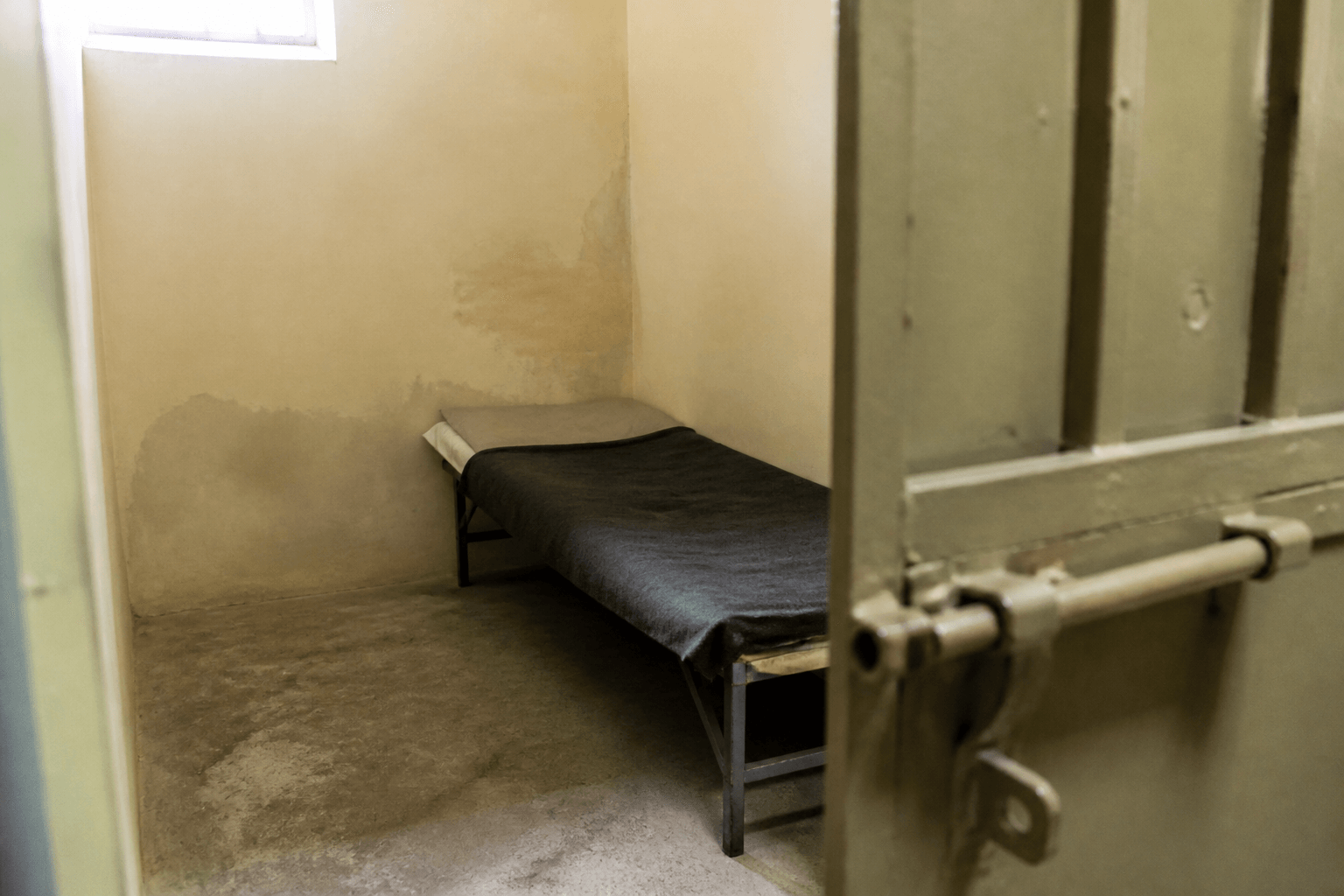
According to recent reporting, Imran Khan now occupies a cell measuring just 6 feet by 8 feet inside the high‑security Adiala prison. The spartan space, designed for solitary confinement, underscores the starkness of his fall. From the prime minister’s grand residence to a cramped room with little more than a cot and basic amenities, the contrast is staggering.
Prison authorities have confirmed his detention but have released few details about his daily routine. Reports suggest he is being held in a manner consistent with other high‑profile inmates, yet his legal team and PTI leaders frequently claim he is being denied proper access to legal counsel and family visits—allegations that the government and prison administration deny. The cell itself, described by visitors as devoid of natural light and ventilation, has become a symbol of what many see as the state’s attempt to break a man who still commands immense popular support.
It is important to distinguish between confirmed conditions of confinement and the broader claims of mistreatment. While the physical dimensions of the cell are verifiable, allegations about inadequate medical care or deliberate isolation remain contested and have not been independently corroborated by international human‑rights monitors. Still, the image of a World Cup hero confined to a space smaller than most bathroom stalls resonates powerfully across Pakistan and beyond.
A Nation in Turmoil
Khan’s imprisonment is not an isolated episode; it is the most visible symptom of a wider political crisis gripping Pakistan. The country is navigating overlapping economic, security, and constitutional challenges. Since his removal, Pakistan has seen street violence, an assassination attempt on Khan himself, and a deeply polarised electorate. His supporters continue to mobilise, often clashing with police, while the coalition government struggles to maintain stability.
Legal experts point to a tangled web of cases against Khan—more than 150 by some counts—that encompass everything from terrorism charges related to protests to a cipher case linked to a diplomatic document. Many analysts argue that the sheer volume of litigation is unprecedented and risks turning the justice system into a tool of political score‑settling. The Supreme Court’s interventions have at times provided temporary relief, but his prison term has so far remained intact.
The situation raises profound questions about the health of Pakistan’s democratic institutions. If a former prime minister can be detained in a tiny cell amid unresolved legal and political battles, what does that say about the rule of law and the space for political dissent? For Khan’s loyalists, it is proof of a vendetta; for his detractors, it is a long‑overdue reckoning for alleged misgovernance.
The Symbolism of the Cell
Beyond the legal arguments, the 6‑by‑8 cell has taken on a life of its own. It has become a rallying cry for PTI supporters, who see in its dimensions a metaphor for the shrinking space for political opposition in Pakistan. Social media is awash with images juxtaposing Khan’s cricketing glory with imagined depictions of his prison quarters. The starkness of the confinement has also drawn attention from international media and human‑rights organisations, even if their access remains limited.
For a man who once stood at the pinnacle of global sport and then the apex of political power, the cell is a brutal reminder of just how far he has fallen. Yet even from behind bars, Khan continues to communicate through lawyers and sporadic statements, urging his followers not to give up. Whether that defiance can survive months or years of isolation remains an open question.
Pakistan’s history is littered with leaders who were imprisoned, exiled, or executed. Imran Khan now joins that list—but with a distinction: his incarceration is happening in the full glare of the digital age, where every allegation and condition is amplified instantly. That transparency cuts both ways, putting pressure on authorities to ensure his detention meets constitutional and international standards.
As the political storm rages on, one thing is certain: the fall of Imran Khan, from world‑beating athlete to prisoner in a cramped cell, will remain one of the defining stories of modern Pakistan—and a stark illustration of the fragility of power.