Nepal Observes National Day of Mourning as Catastrophic Floods Claim 1,300 Lives
Nepal Observes National Day of Mourning as Catastrophic Floods Claim 1,300 Lives
Nepal is holding a national day of mourning on Monday to honor the memory of approximately 1,300 people who perished in devastating floods that struck the country on August 26. The disaster stands as one of the deadliest flood events in the Himalayan nation’s recent history, prompting a nationwide period of remembrance and collective grief.
As part of the official observance, government offices across the country have lowered their national flags to half-mast. The solemn gesture underscores the profound scale of loss as the nation pauses to reflect on the tragedy that swept through communities, submerging homes, destroying infrastructure, and displacing countless families.
A Country in Mourning
Across the affected regions, families of the victims are concluding memorial observances and mourning together. The day of mourning serves as a focal point for a nation grappling with the immense human toll, allowing bereaved relatives and communities to share their grief under a unified national acknowledgment of the catastrophe.
The reported death toll of about 1,300 highlights the severity of the flooding, which was triggered by intense monsoon rains. The deluge caused rivers to burst their banks, triggering flash floods and landslides in several districts. The calamity has drawn renewed scrutiny to Nepal’s disaster preparedness and response mechanisms at a time when climate scientists warn that extreme weather events in South Asia are becoming more frequent and intense.
Ongoing Recovery and Relief Efforts
While the day of mourning marks a moment of reflection, rescue, relief, and rebuilding operations continue in the hardest-hit areas. Local authorities and disaster-response agencies remain on the ground, working to reach isolated communities, restore essential services, and provide shelter, clean water, and medical aid to survivors. Authorities are also expected to update casualty and missing-person figures as search operations progress and remote areas become accessible.
Humanitarian organizations have mobilized to support the government’s efforts. The United Nations Office for the Coordination of Humanitarian Affairs (OCHA) has been monitoring the situation closely, noting that initial assessments indicate widespread damage to agricultural land, roads, and bridges, which could have long-term consequences for food security and economic recovery.
The central government in Kathmandu has faced calls to accelerate the delivery of aid and to implement stronger early-warning systems. The disaster has reignited a national conversation about the need for resilient infrastructure and comprehensive climate adaptation strategies to protect vulnerable populations living along Nepal’s volatile river systems.
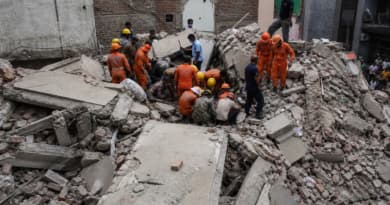
The monsoon season routinely brings deadly flooding and landslides to Nepal, but the sheer scale of the August 26 event has shocked the nation. Rescue teams continue to sift through mud and debris in a desperate search for survivors and the remains of those still listed as missing.
As the flags fly at half-mast and the country unites in sorrow, the focus is beginning to turn toward the monumental task of rebuilding shattered lives and communities. The international community has expressed condolences and offered assistance, recognizing that Nepal’s path to recovery will be long and arduous.
The day of mourning not only honors those who lost their lives but also serves as a stark reminder of the country’s vulnerability to natural disasters and the urgent need for sustained investment in disaster risk reduction.