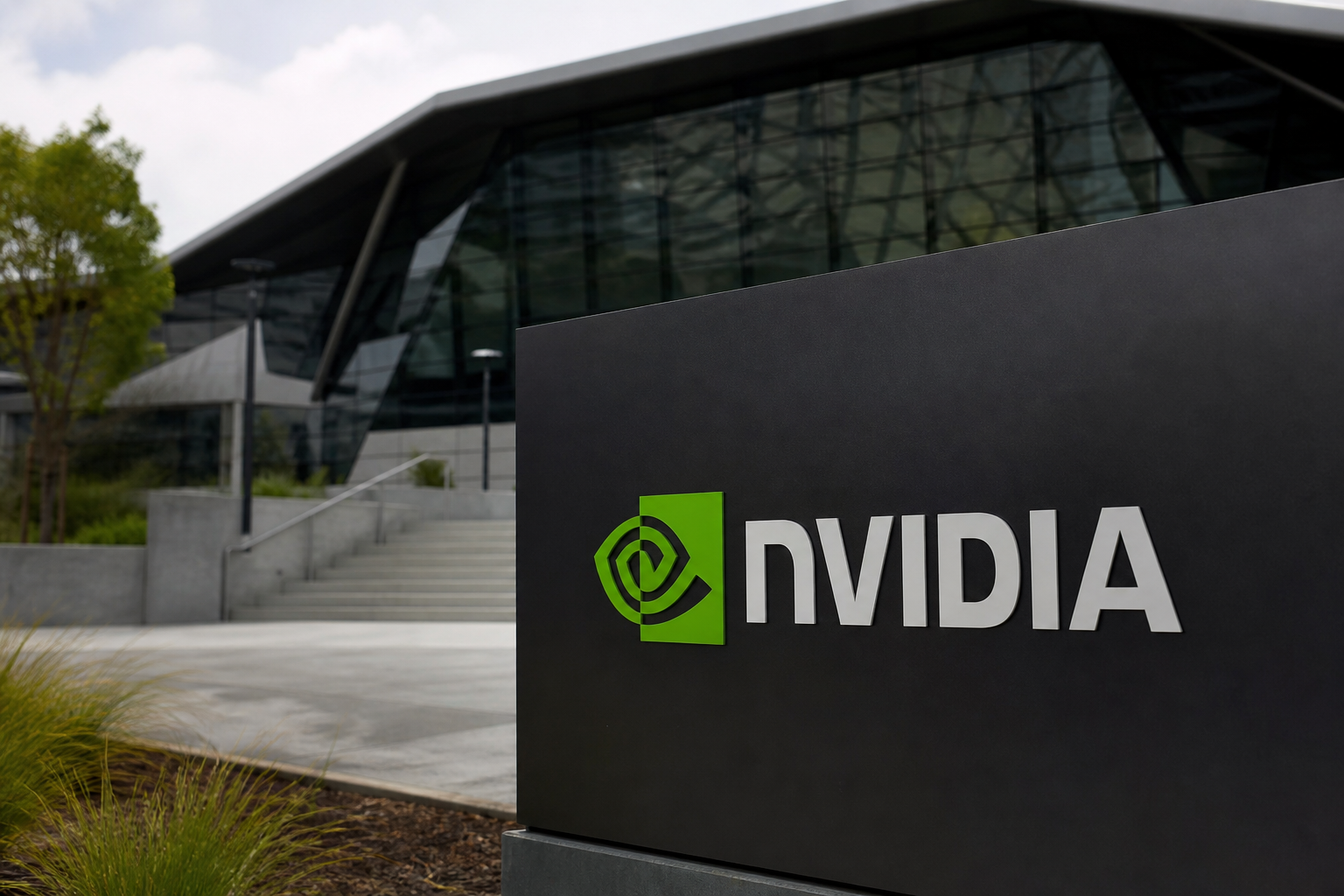
Nvidia to Acquire Hugging Face for $12.93 Billion in Open Source AI Power Play
Nvidia to Acquire Hugging Face for $12.93 Billion in Open Source AI Power Play
In a landmark deal set to reshape the artificial intelligence landscape, Nvidia is reportedly buying AI software platform Hugging Face for $12.93 billion. The acquisition, a definitive move by the world’s most valuable chipmaker into the software and developer-tools layer, comes with a critical stipulation: Hugging Face will remain an open source platform, preserving the ecosystem that millions of developers and enterprises have come to rely on.
A Strategic Expansion Beyond Silicon
The reported deal, covered by ABC News Live, marks Nvidia’s most aggressive expansion yet from the hardware that powers AI into the software that builds it. Hugging Face has established itself as the central repository for machine learning models, datasets, and collaborative tools, often described as the “GitHub of AI.” By bringing this community under its umbrella, Nvidia secures a deep strategic foothold in the workflows of AI researchers and startups worldwide, ensuring its graphics processing units remain the default engine not just for training but for the entire development lifecycle.
For Nvidia, the logic is clear. The company’s H100 and upcoming B200 GPUs dominate AI training, but software frameworks and model accessibility increasingly dictate hardware purchasing decisions. Owning the primary distribution platform for state-of-the-art open source models allows Nvidia to optimize those models for its chips from the ground up, creating a seamless, high-performance pipeline that competitors may struggle to match.
The Open Source Promise and Developer Anxiety
Central to the business and product implications of the acquisition is the commitment to keep Hugging Face an open source platform. The platform hosts hundreds of thousands of models, from Meta’s Llama series to Stability AI’s Stable Diffusion. Any perceived threat to open access could trigger an exodus of the very developer talent Nvidia seeks to court. Early reactions across the machine learning community reflect a mix of pragmatic optimism and deep-seated caution, with developers anxiously parsing every word for guarantees about licensing, governance, and neutrality.
The acquisition signals Nvidia’s expansion beyond chips into the software and platform layer of AI.
Enterprise customers, many of whom rely on Hugging Face’s inference endpoints and private model hubs, are also watching closely. Integrating Nvidia’s enterprise software suite, such as Nvidia AI Enterprise, with Hugging Face’s platform could offer a powerful, unified stack. However, questions linger about whether Nvidia will eventually prioritize its own hardware and software integrations in ways that disadvantage cloud competitors or alternative AI accelerators.
Antitrust Shadows and Global Scrutiny
The deal injects fresh scrutiny into Nvidia’s already dominant position in the AI supply chain. With an estimated share of over 80 percent in the high-end AI chip market, Nvidia’s acquisition of the primary neutral ground for AI model development will almost certainly attract the attention of U.S. regulators and possibly EU competition authorities. The central question for antitrust evaluators will be whether combining the dominant hardware provider with the dominant model-sharing platform creates an unfair advantage that stifles innovation from other chipmakers or limits the openness of future cutting-edge models.
Open source governance is another key concern. Hugging Face has operated with a strong ethos of transparency and community-led development. Maintaining that culture under a publicly traded corporation with intense quarterly earnings pressure will be a significant challenge, and the AI community will demand concrete structural safeguards, such as independent foundation oversight or community charters.
The Future of the AI Ecosystem
For the broader AI ecosystem, the Nvidia-Hugging Face tie-up represents both a validation of open source AI’s centrality and a moment of consolidation risk. Startups building on Hugging Face’s infrastructure may benefit from better integration with Nvidia’s accelerated computing stack, but they also face a future where a single company controls the most popular access point to foundational AI technology. The deal’s ultimate success will hinge on whether Nvidia can genuinely maintain the open, collaborative spirit that made Hugging Face indispensable while leveraging its new asset to deepen the competitive moat around its hardware empire.
As the news develops, stakeholders from San Francisco to Paris are calling for clear, enforceable commitments to open access, ensuring that the $12.93 billion deal accelerates innovation rather than consolidating it behind proprietary walls. Nvidia and Hugging Face have not yet released formal joint statements, but official announcements are expected to be published on their respective investor relations and company blog channels.