US-Iran Strikes Erupt as UN Warns of Widening Crises in Myanmar and Ukraine
US-Iran Strikes Erupt as UN Warns of Widening Crises in Myanmar and Ukraine
Hostilities between the United States and Iran have sharply escalated, shattering a month-long lull and triggering renewed international alarm over a broader regional conflagration. The spike in direct strikes, confirmed in a United Nations global security roundup, comes as the world body simultaneously highlights deteriorating humanitarian conditions in Myanmar and ongoing civilian casualties in Ukraine, painting a picture of deepening international instability.
The latest exchange of fire marks a significant deterioration after a period of relative calm. While specific details of the targets and military assets involved remain tightly held, the resumption of direct action signals a breakdown in any backchannel efforts to de-escalate tensions that have simmered for years. Fears are now mounting that the cycle of retaliation could draw in regional proxies and further destabilize the Middle East.
A Global Security Picture Under Strain
The UN update, which aggregates the most pressing security and humanitarian concerns for the international body, places the US-Iran confrontation not in isolation, but as part of a cascade of overlapping crises testing the multilateral system. Diplomats and security analysts are increasingly viewing the volatility in the Middle East alongside the world’s other major unresolved conflicts, creating a collective strain on humanitarian resources and diplomatic attention.
The escalation is particularly concerning for neighboring states and global energy markets, which have been on edge since previous rounds of hostilities. The UN has consistently called for restraint, warning that any miscalculation could lead to a full-scale war with catastrophic humanitarian consequences for the region.
Myanmar’s Silent Emergency Deepens
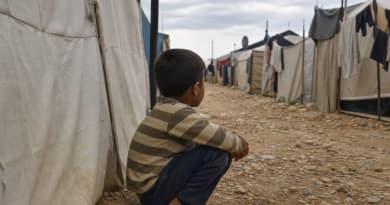
Simultaneously, the UN spotlighted a worsening humanitarian situation in Myanmar, where aid access remains critically constrained. The brief highlighted ongoing relief concerns, pointing to a population in desperate need of food, shelter, and medical assistance amid internal conflict and economic collapse. Humanitarians report that the country is quietly slipping into a deeper emergency, with funding shortfalls hampering the delivery of essential services exactly when needs are accelerating.
Observers note that the Myanmar crisis, often overshadowed by more kinetic wars, is emblematic of a “forgotten emergency” that requires sustained international attention. The UN is pushing for unimpeded access to affected populations and a renewed diplomatic push to protect civilians before the annual cyclone season further compounds the misery.
No Respite for Civilians in Ukraine
The UN roundup also brought renewed attention to the relentless toll on civilians in Ukraine. The update confirms that casualties continue to mount as the war grinds on with no end in sight. The inclusion of Ukraine in the same briefing as the US-Iran escalation and the Myanmar crisis underscores the scale of global need and the competition for urgent international assistance.
“We are seeing an unprecedented convergence of international security threats and humanitarian emergencies. The danger is that the world’s attention fractures just as the need for preventive diplomacy is at its peak,” a senior UN official noted, reflecting the organization’s growing concern over the diverging crises.
The UN is appealing for the protection of civilian infrastructure in Ukraine while reiterating that international humanitarian law must be upheld. The organization is also stressing that diplomatic channels for all three theaters must be kept open, warning that a world solely focused on military postures risks losing the capacity to resolve conflicts through political means.
Diplomatic Reactions and Implications
International reaction to the renewed US-Iran strikes has been swift, with senior diplomats from several capitals urging both sides to step back from the brink. The UN Security Council is expected to discuss the deteriorating security environment behind closed doors, though the body’s deep divisions raise questions about its ability to produce a unified response. Meanwhile, Western allies are conducting intensive consultations on protecting shipping lanes and military assets in the Persian Gulf and Red Sea regions.
For humanitarian workers, the triple crisis means a severe strain on donor budgets. Aid organizations are being forced to triage resources across vastly different environments, from the sophisticated urban warfare of Ukraine to the rural conflict zones of Myanmar and the potential for mass displacement triggered by a new Middle Eastern war. The UN is expected to issue revised funding appeals within days, urging member states not to abandon long-term aid commitments in favor of short-term security spending.
As the diplomatic machinery grinds into gear, the immediate reality on the ground is one of heightened danger for civilians in all three theaters, with the world watching to see if the latest escalation in the Persian Gulf spirals into a wider war or opens a path for renewed, urgent diplomacy.