US Launches New Strikes on Iran, Tehran Hits Back in Widening Conflict
Rapid Escalation
The United States launched a barrage of airstrikes on Iranian targets on Tuesday, provoking immediate retaliation from Tehran in the most dangerous escalation of their simmering conflict in weeks. The exchange marks a sharp shift toward direct military confrontation and raises the specter of a broader regional war, officials and analysts warned.
The U.S. strikes, whose precise targets remain classified, were described by defense sources as a significant expansion in scope compared to earlier operations. Iran’s response – reportedly involving missile and drone deployments – signaled that the regime is prepared to meet Washington’s aggression with equal force, a departure from the calibrated shadow war that had dominated recent months.
The tit-for-tat comes amid a deepening dispute over Iran’s nuclear ambitions and its support for militant proxies across the Middle East. Tensions had been building since the breakdown of indirect negotiations and a series of smaller incidents in the Persian Gulf. Tuesday’s exchange pushed the two adversaries past the brink of what had previously been a largely undeclared conflict.
Diplomatic Calls Amid Strikes
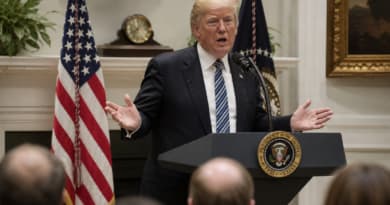
Even as the bombs fell, diplomatic channels sputtered to life. Iran’s foreign ministry urged the United States to “comply with an interim deal” it said had been tentatively agreed, while warning that Washington’s continued military pressure would only invite more retaliation. The call came a day after former President Donald Trump threatened further strikes if Tehran refused to curb its atomic work.
The juxtaposition of peace overtures and military escalation has become a hallmark of this crisis. Analysts note that both sides are attempting to gain leverage on the battlefield to shape the terms of any eventual settlement. However, the rapid spiral of violence risks closing off the very diplomatic off-ramps that might prevent a larger catastrophe.
“This was not a proportional response – it was a major leap up the escalation ladder, and Iran has now shown it will not back down,” said one Washington-based security expert, speaking on condition of anonymity because of the sensitive nature of the discussions.
Regional actors are braced for fallout. Gulf states, already on edge over Houthi attacks on shipping and the Israel-Hamas war, intensified security measures around critical infrastructure. Israel, which has long urged a harder line against Iran, remained on high alert but did not immediately comment on whether it was coordinating with the U.S. mission.
Global Implications
The flare-up sent shockwaves through energy markets, with oil prices surging as traders priced in the risk of supply disruptions in the Strait of Hormuz. Shipping companies issued advisories for vessels transiting the region, and global leaders called for restraint.
The Pentagon, in a brief statement, said the strikes were “necessary and proportionate” and accused Iran of sponsoring terrorism. The Iranian armed forces vowed a “crushing response” to any further U.S. action. With both sides entrenched and no clear path to de-escalation, the conflict appears to have entered a new and far more perilous phase.