Carney to Trump: ‘Stop Doing Memes, Stop Throwing Shade’ as Trade Fight Heats Up
OTTAWA — Canadian Prime Minister Mark Carney delivered a blunt public rebuke to the Trump administration on Thursday, accusing U.S. negotiators of prioritizing social media spectacle over substance as the two countries’ trade rift deepens. The remarks mark a sharp escalation in the cross-border economic dispute and signal that Canada is losing patience with Washington’s combative style.
Carney’s Message: Stop the ‘Memes’ and ‘Shade’
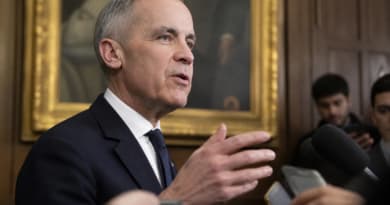
Speaking to reporters in Ottawa, Carney did not hold back when pressed on the state of the troubled trade talks. “We need the United States to stop doing memes, stop throwing shade and stop trying to be tough,” he said, in comments first reported by Audacy. The Canadian leader’s words were unusually personal for a prime minister known for his measured, technocratic demeanor.
“We need the United States to stop doing memes, stop throwing shade and stop trying to be tough.” — Prime Minister Mark Carney
The statement appears targeted directly at the Trump administration’s frequent use of provocative social media posts, including memes, to frame policy disputes. For Ottawa, the tactic has moved from a sideshow to a central irritant that undermines the trust required for sensitive negotiations.
Key Flashpoints in the Trade Standoff
While exact details of the talks remain confidential, several sectors have emerged as persistent points of friction between the two neighbors:
- Softwood lumber: Longstanding U.S. tariffs on Canadian lumber have reignited, with Washington threatening further hikes.
- Dairy: American demands for greater access to Canada’s supply-managed dairy market continue to stall progress.
- Automotive: Highly integrated cross-border supply chains that support millions of jobs face uncertainty amid tariff threats.
- Digital services taxes: Ottawa’s planned levy on large digital firms — many of them U.S.-based — has drawn White House criticism.
The dispute threatens the $1.5 trillion annual trade relationship that underpins both economies. Canada’s official trade policy hub emphasizes a commitment to “predictable and transparent” commerce, a sharp contrast to what Carney now characterizes as Washington’s erratic performance.
Diplomatic Ripples and Economic Risks
Business leaders on both sides of the border have voiced alarm. The Canadian and U.S. chambers of commerce have urged a return to quiet diplomacy, warning that escalating rhetoric could inflict real damage on supply chains that took decades to build. Agricultural producers in the American Midwest — for whom Canada is the largest export market — are especially vulnerable.
The prime minister’s combative tone also carries domestic calculations. With his minority government facing pressure in opinion polls, a firm stand against U.S. pressure plays well with a Canadian electorate that has grown weary of the Trump administration’s unilateral style. Carney is framing the fight not just as an economic necessity but as a defense of Canada’s sovereignty and dignity.
What Happens Next
Neither the White House nor the Office of the U.S. Trade Representative has formally responded to Carney’s outburst. But the ball is now in Washington’s court. The Trump administration has a history of hitting back hard at perceived slights, and Carney’s blunt plea to “stop trying to be tough” could invite a fresh round of rhetorical — or tariff — retaliation.
With a critical summer deadline for a revised trade framework fast approaching, both governments face a stark choice: dial down the drama and broker a deal, or let the relationship deteriorate further. For now, the message from Ottawa is clear: Canada wants trade partners, not Twitter feuds.