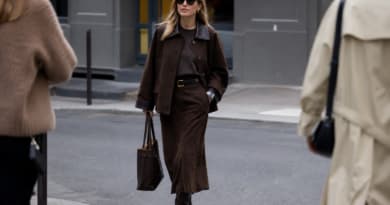
Walmart Debuts Scenario, a Bohemian Fashion Collection Where Most Items Are Under $25
Walmart Debuts Scenario, a Bohemian Fashion Collection Where Most Items Are Under $25
Walmart is making a bold statement in affordable fashion with the launch of Scenario, a new private-label brand that blends modern bohemian aesthetics with the retailer’s hallmark low prices. Featuring roughly 280 styles across clothing, shoes, and accessories, the collection arrives as the company sharpens its focus on higher-margin private brands and style-conscious consumers. Most items in the Scenario line are priced below $25, reinforcing Walmart’s promise to deliver trend-right fashion without the sticker shock.
A Style-Forward Push
Described by the company as “modern bohemian,” Scenario moves beyond the basic, utilitarian apparel often associated with mass-market retailers. The collection includes flowing dresses, printed tops, wide-leg trousers, layered jewelry, and artisan-inspired footwear, all designed to capture a relaxed yet elevated look. By tapping into the boho trend that has remained popular across social media and street style, Walmart is signaling that it can compete not only on price but also on relevance.
The 280-piece assortment covers a broad range of categories: from statement-making accessories like woven handbags and tassel earrings to comfortable, everyday essentials such as denim and knitwear. While Walmart has long carried apparel basics, Scenario represents a deliberate effort to carve out a distinct fashion identity that shoppers might associate with specialty boutiques—at a fraction of the cost.
Pricing and Value Proposition
True to Walmart’s DNA, Scenario’s price tags are aggressively low. “Most items are under $25,” the retailer confirmed, making it possible for customers to refresh their wardrobes without breaking their budgets. This price point puts the collection squarely in competition with fast-fashion giants, off-price chains, and even direct-to-consumer brands that have gained ground among younger, value-driven shoppers. In an environment where inflation has squeezed household spending, Walmart’s timing is particularly strategic.
- Apparel: Dresses, tops, bottoms, and outerwear, with many pieces starting around $12–$15.
- Footwear: Sandals, espadrilles, and ankle boots designed to complement the boho aesthetic.
- Accessories: Jewelry, scarves, hats, and handbags that complete the look, often priced at $10 or below.
Walmart’s ability to offer such pricing stems from its massive scale and supply chain efficiencies. By developing Scenario as a private brand, the company eliminates middlemen markups and retains higher profit margins compared to selling third-party labels.
In recent years, consumer demand for boho-inspired fashion has surged, driven by festival culture, influencers, and a broader shift toward individualistic, relaxed styles. The trend shows little sign of fading, making it a safe yet fashionable bet for a mass retailer. By capturing that aesthetic at a sub-$25 price, Walmart can position Scenario as an entry point for shoppers looking to experiment with trends without a major financial commitment.
Walmart’s Fashion Ambitions
Scenario is the latest move in Walmart’s broader effort to become a destination for fashion. Over the past few years, the retailer has launched and acquired several clothing brands—such as Free Assembly, Scoop, and Sofia Jeans by Sofia Vergara—while upgrading its e-commerce experience and in-store presentation. The goal: to attract a more diverse set of customers, including younger Gen Z and millennial shoppers who may not have previously considered Walmart for style purchases.
Private brands play a key role in this strategy because they typically deliver better profitability and customer loyalty. Walmart’s chief financial officer has previously highlighted that higher-margin categories like apparel help offset pressure elsewhere in the business. Analysts note that a successful fashion line can also increase foot traffic and online visits, creating cross-selling opportunities across the store.
The retailer has been quietly building a powerhouse design team, recruiting executives from well-known fashion houses to elevate its in-house labels. This investment in creative talent underscores Walmart’s commitment to shedding its image as a purely low-cost, low-style retailer. Scenario’s polished, lifestyle-oriented branding—evident in its lookbooks and online presentation—reflects that transformation.
What’s Next for the Brand
Walmart has yet to announce full details about Scenario’s distribution, though more information is expected to be posted on the company’s official newsroom. The collection is expected to roll out both online at Walmart.com and in select physical stores, though the timeline and exact availability remain unclear. Based on past brand launches, Walmart will likely use its website as a testing ground before expanding to more locations. The company may also align the launch with seasonal shopping events, such as back-to-school or summer fashion resets, to maximize visibility.
Industry observers point out that a 280-style debut is relatively large, suggesting Walmart sees strong potential for the boho trend and is committed to making Scenario a long-term pillar rather than a short-lived experiment. Whether shoppers embrace the new label will depend not only on price but also on the quality and fit—areas where Walmart has invested in improving through better sourcing and design.
As Walmart continues to compete with Amazon, Target, and fast-fashion players like Shein and H&M, the Scenario launch illustrates how traditional retailers are redefining mass-market fashion. By offering an entire lifestyle collection at an accessible price point, Walmart is betting that affordable style is a winning formula in today’s economy.