
Himalayan Flash Floods: Terrifying Videos Show Walls of Water Destroying Nepal-Tibet Border Towns
Devastating Surge Overwhelms Remote Mountain Communities
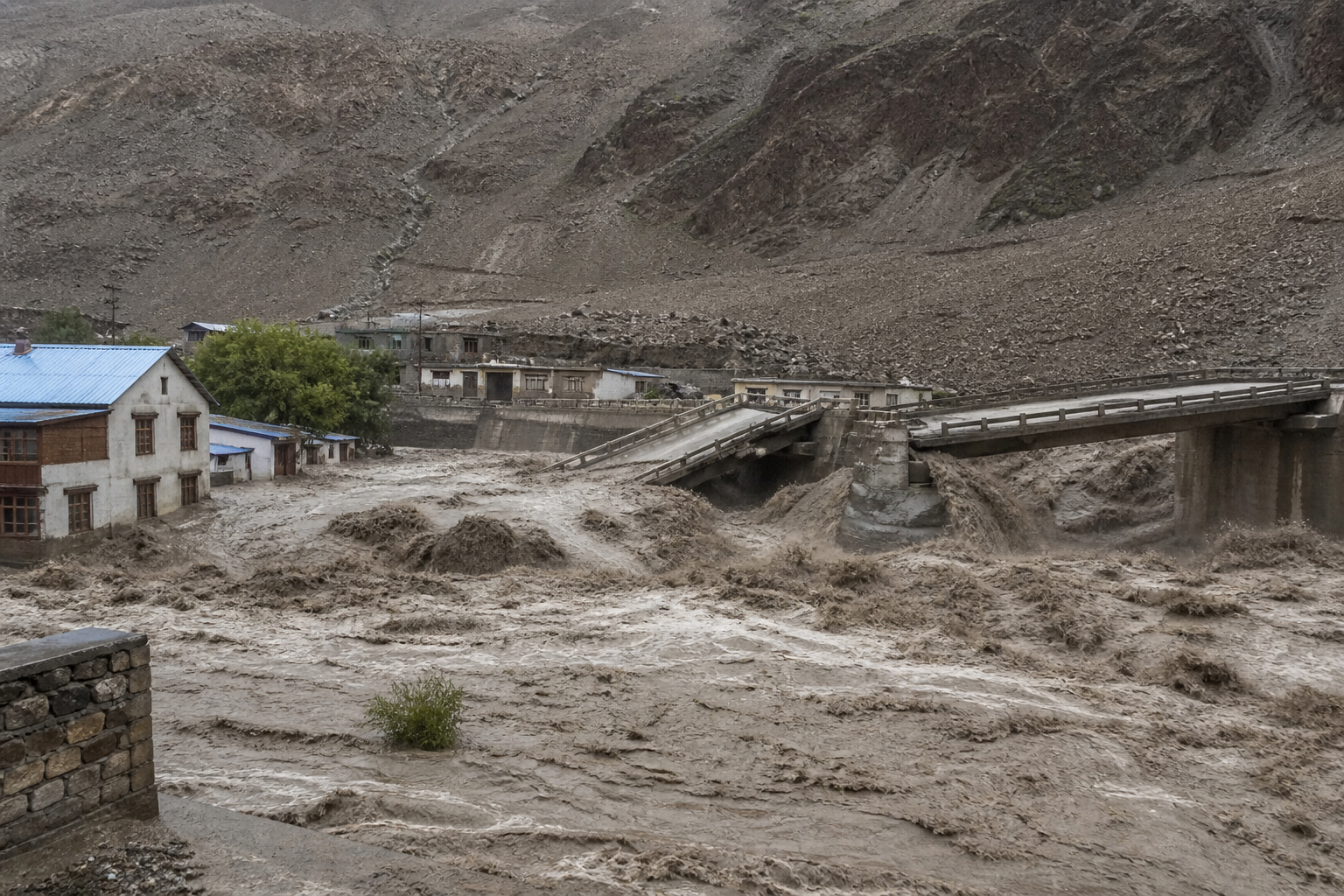
Flash floods of terrifying intensity have ripped through remote Himalayan towns and villages straddling the Nepal-Tibet border, leaving a trail of destruction captured in dramatic videos that show entire structures vanishing beneath churning walls of water and debris. The sudden disaster sent residents fleeing in panic as fast-moving torrents swept away vehicles, bridges, and buildings in a matter of moments.
The floodwaters, laden with mud, rocks, and uprooted trees, turned tranquil mountain settlements into scenes of chaos. Footage that emerged from the border region reveals a massive surge roaring down narrow valleys, slamming into concrete structures, and erasing roads with catastrophic force. In several clips, bystanders can be seen running to higher ground as the waterline rises almost instantly, leaving behind shattered homes and severed connections.
Infrastructure Crumbles Under Force of Water
The videos lay bare the scale of the damage: multi-story buildings tilt and collapse; concrete bridges buckle and disappear under the brown torrent; and cars, trucks, and motorcycles are tossed like toys. The destructive power of the floods underscores the acute vulnerability of mountain infrastructure to extreme hydrological events, especially in a region where steep terrain funnels water into devastating chutes.
Witness accounts describe a deafening roar as the initial wave of water and sediment approached, giving people only seconds to react. Many survivors reportedly grabbed children and essential belongings before scrambling up slopes, watching helplessly as their homes were consumed. The psychological shock of the event was evident in trembling voices captured in the videos, with onlookers shouting warnings and crying out as structures gave way.
Cross-Border Challenges Hinder Rescue Efforts
The affected area lies in a high-altitude, logistically complex border zone between Nepal and the Tibet Autonomous Region, where access is already limited by rugged roads and frequent landslides. Emergency responders on both sides face significant hurdles: damaged or obliterated transport links, ongoing risk of secondary floods and landslides, and the sheer remoteness of some villages. Helicopter reconnaissance may be the only way to reach cut-off communities, but poor weather can ground such flights.
As of now, official casualty figures have not been confirmed, though the visuals suggest a potentially high toll. Authorities in Nepal and China are likely conducting rapid damage assessments and coordinating cross-border communication, but the full picture may take days to emerge. The immediate priorities are search and rescue, medical aid for the injured, and temporary shelter for the displaced.
What Triggered the Catastrophe?
While a thorough scientific analysis is pending, early indications point to a combination of factors that can unleash such flash floods in the Himalayas. Intense, short-duration rainfall – possibly linked to monsoon patterns – could have saturated soil and overwhelmed natural drainage. Equally plausible is a glacial lake outburst flood (GLOF), a growing risk in the climate-warmed high-mountain region: when a glacial lake’s natural dam fails, millions of cubic meters of water and debris can barrel downstream with little warning.
The Nepal-Tibet border is dotted with glacial lakes, and scientists have long warned that rising temperatures increase the hazard. Whether this event was rain-driven, a GLOF, or a mix of both, it highlights the pressing need for early warning systems and disaster resilience in these fragile landscapes.
Echoes of Past Disasters
The Himalayan belt is no stranger to catastrophic floods. In recent years, Nepal, India, and the Tibetan Plateau have witnessed devastating events that erased entire villages, killed hundreds, and inflicted long-term economic wounds. Each disaster reignites the debate over unregulated construction in flood-prone zones, insufficient monitoring of glacial lakes, and the slow pace of climate adaptation.
For the survivors of this latest tragedy, the immediate horror may be followed by a protracted struggle to rebuild lives in terrain that remains unforgiving. International aid agencies and neighboring governments are likely to monitor developments closely, as the humanitarian needs could quickly outstrip local capacity.
With communications spotty and access treacherous, the full story of what happened along the Nepal-Tibet border is still coming into focus. The videos, however, make one thing undeniable: nature’s fury can transform a landscape in seconds, and those living on the front lines of climate change are bearing the heaviest burden.