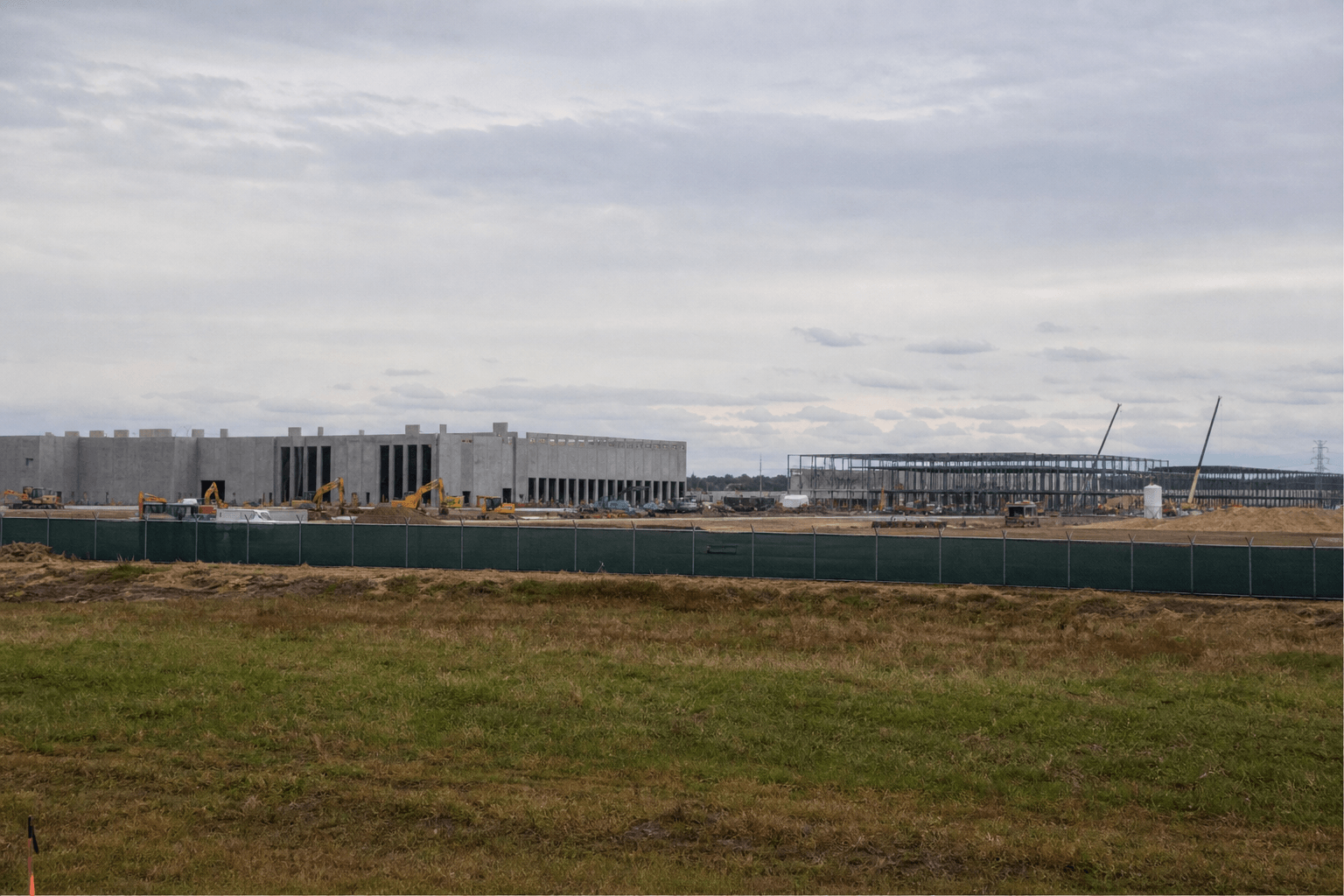
How Data Center Backlash Is Reshaping US Midterm Elections
How Data Center Backlash Is Reshaping US Midterm Elections
The quiet hum of server farms is being drowned out by a rising roar of community opposition, transforming data center development from a niche planning matter into a defining issue of the U.S. midterm elections. Across the country, candidates for offices ranging from county commissions to state legislatures are being forced to take a stand on what was once an uncontroversial symbol of economic progress.
The snowballing opposition to data center projects in communities across the United States has fundamentally altered the political landscape. Debates over land use, power demand, water consumption, noise pollution, and generous tax incentives are no longer confined to zoning board hearings—they are filling town halls, campaign mailers, and candidate forums.
From Planning Boards to Political Platforms
The core of the controversy lies in the clash between rapid digital infrastructure expansion and local quality of life. In suburban and exurban areas facing a wave of proposed hyperscale facilities, residents are organizing around a shared set of grievances. Energy demand is a primary concern, as a single large data center can consume as much electricity as a mid-sized city, placing immense strain on aging grids and raising fears of blackouts or higher utility bills.
Water consumption for cooling systems is another flashpoint, particularly in drought-prone regions. Add in constant noise, heavy truck traffic during construction, and the visual blight of vast concrete shells, and a potent political cocktail emerges. Candidates are increasingly pressed to articulate clear positions on whether they will approve, pause, or tighten regulations for future projects, especially when those projects are tied to controversial rezoning or massive tax breaks away from public scrutiny.
The issue is remarkably cross-partisan. Instead of cleaving neatly into left-right categories, the data center debate often frames campaigns around a local-growth-versus-preservation axis. Rural conservatives worried about farmland and suburban liberals concerned with environmental impact are finding uncommon cause in their skepticism of Big Tech’s physical footprint.
Local Races Take Center Stage
This politicization underscores a critical reality: the most consequential decisions about data centers are not typically made in Washington, D.C. They are made by local elected officials—county commissioners who set land-use policies, city council members who vote on zoning changes, planning board appointees who interpret comprehensive plans, and even school board members who negotiate payments in lieu of taxes.
Consequently, down-ballot races are attracting unprecedented attention. Voter turnout is being spurred by a sense that these once-sleepy local elections are now the last line of defense against unchecked industrial development. Utility regulators, who must approve the interconnection of massive loads to the grid, are also facing heightened scrutiny from voters and advocacy groups.
Skepticism Over Economic Promises
The local backlash is feeding, and being fed by, broader skepticism about economic development promises typically offered by developers and hyperscalers. Campaign talking points once easily sold—thousands of temporary construction jobs and glowing long-term employment projections—are now being met with intense factual cross-examination.
“The debate is not just about one building; it is a referendum on whether communities believe the advertised tax revenue and high-tech jobs will ever truly materialize to offset the permanent transformation of their landscape.”
Opponents point to highly automated facilities that require minimal permanent staff, while the tax incentives granted to attract them can starve local services for decades. Environmental and neighborhood advocacy groups have become powerful political players, arming candidates with data from sources like the U.S. Energy Information Administration on rising electric demand projections, effectively transforming abstract infrastructure anxiety into concrete campaign ammunition.
A Permanent Shift in Political Calculus
What is emerging is a permanent recalibration of political risk. For decades, opposing a large corporate development was seen as a career-limiting move in many jurisdictions. Now, in communities that have experienced or witnessed nearby data center build-outs, failing to stand up to developers is increasingly the riskier political bet. The data center controversy has not just become a midterm election issue—it has become a litmus test for how candidates weigh corporate influence against constituent well-being, a dynamic likely to outlast any single election cycle.
As the U.S. continues its insatiable consumption of cloud computing and artificial intelligence, the physical infrastructure required for that digital reality is colliding with the tangible world of water, land, and power. In the 2024 midterms, that collision is making a very loud political noise.