
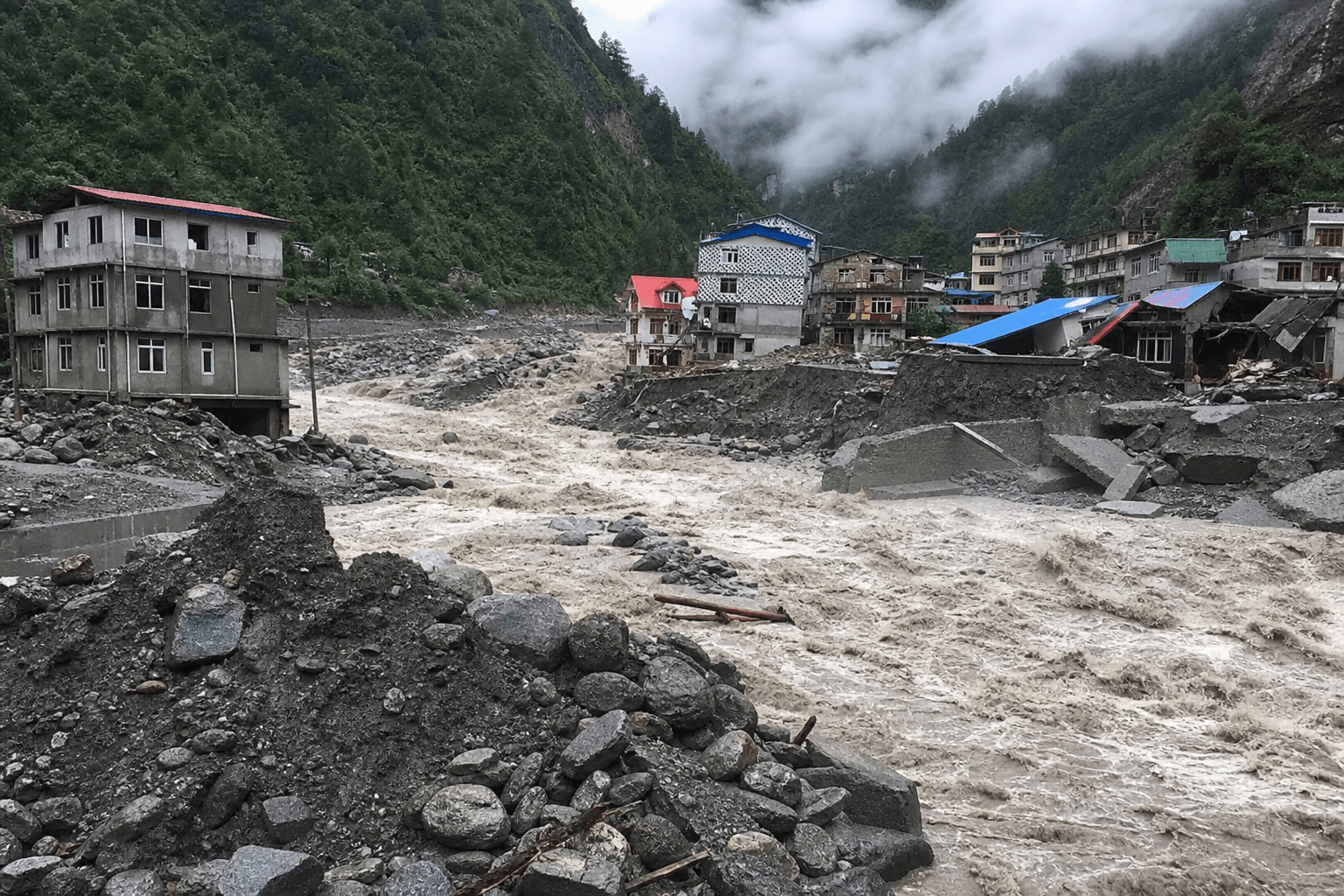
Hundreds Missing and At Least 8 Killed After Avalanche Triggers Deadly Flash Floods in Nepal
A catastrophic avalanche of ice and rock in Nepal has triggered massive flash floods, killing at least eight people and leaving hundreds missing, officials said, as widespread damage is reported across the impacted region. The disaster, which struck without warning in the Himalayan nation, has prompted urgent search-and-rescue operations amid fears the death toll could rise sharply.
The avalanche, likely caused by a combination of extreme weather and unstable mountain conditions, sent a torrent of water, ice, and debris crashing through valleys and settlements, sweeping away homes, roads, and bridges. Emergency responders are struggling to reach remote areas cut off by the destruction.
Rescue Efforts Underway
Authorities have deployed rescue teams, with local disaster-response units and military personnel assisting in search operations. The scale of the missing – described as “hundreds” by local officials – underscores the severity of the flash floods, which turned riverbeds into raging channels within minutes. Survivors are being evacuated to safer ground, while the injured are being treated in makeshift medical camps.
The Nepal National Disaster Risk Reduction and Management Authority is coordinating the response, but rugged terrain and the risk of further avalanches and landslides are complicating efforts. Helicopters have been deployed for aerial surveys and to drop essential supplies, though poor weather has intermittently grounded flights.
Climate Vulnerability in the Himalayas
Nepal’s mountainous geography makes it one of the world’s most disaster-prone countries. The region is regularly exposed to avalanches, glacial lake outbursts, and flash floods, events that scientists warn are becoming more frequent and intense as global temperatures rise. While no single disaster can be directly attributed to climate change, the pattern of extreme weather in the Himalayas has put communities on high alert.
Avalanches of ice and rock are particularly dangerous because they can dam rivers, creating temporary lakes that burst without notice. The resulting floods carry immense destructive power, often wiping out entire villages downstream. This latest tragedy highlights the acute vulnerability of populations living in the high-altitude valleys of Nepal.
Local authorities have called for national and international assistance to support the ongoing rescue mission and to provide relief to those displaced. The full extent of the damage is still being assessed, but early reports indicate that critical infrastructure – including bridges, power lines, and water supply systems – has been severely compromised.
As search teams comb through debris and mud, the nation braces for what could be one of its deadliest mountain disasters in recent years. The government is expected to release updated casualty figures once remote areas are accessed and communications are restored.


