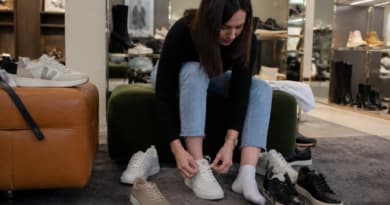
My Hunt for Actually Good-Looking ‘Lifestyle’ Sneakers That Don’t Sacrifice Comfort
The Quest for the Perfect Sneaker That Does It All
For many style-conscious adults, the holy grail of footwear is a sneaker that looks polished enough for a casual lunch but feels plush enough to carry you through miles of city walking. It’s a balance that’s surprisingly elusive, something writer Sari Botton discovered firsthand when she set out to test dozens of pairs in pursuit of what she calls “lifestyle” sneakers — shoes that blend genuine style with all-day wearability.
Botton’s journey, documented in New York Magazine’s The Strategist, is less about athletic performance and more about a growing consumer demand for footwear that meets the real-world needs of everyday life. Her target audience? Women in their 60s and beyond — but the lessons extend to anyone who refuses to choose between foot pain and frumpy shoes.
Why Lifestyle Sneakers Are Having a Moment
The term “lifestyle sneaker” has gained traction as more shoppers drift away from both hyper-technical running shoes and fashion-only flats that offer little support. This middle ground appeals especially to people who travel frequently, run errands on foot, or simply want one versatile pair that works with jeans, dresses, and everything in between. The trend mirrors a broader cultural shift toward comfort without compromise — a post-pandemic wardrobe reality where the line between casual and put-together continues to blur.
Botton’s experiment underscores just how many options now exist in this space. She put a wide range of sneakers through real-world tests, evaluating not just aesthetics but cushioning, fit, arch support, and how each pair held up after hours of walking. Her findings reflect a market that’s finally paying attention to the nuanced needs of older women, who often prioritize foot health without wanting to look as if they’ve given up on personal style.
The Criteria: What Makes a Great Lifestyle Sneaker
Comfort was non-negotiable in Botton’s search. She looked for deep cushioning, a stable base, and enough room in the toe box to accommodate natural swelling during long walks. But she was equally exacting about looks: chunky soles, overly sporty logos, and orthopedic-looking profiles were immediately ruled out. The winners were models that could pass as fashion-forward streetwear while secretly delivering the support of a well-engineered walking shoe.
Key factors included:
- Cushioning: Effective shock absorption without a bulky platform feel.
- Upper material: Breathable mesh, soft leather, or knit that molds to the foot.
- Fit: Wide sizes or stretch zones that prevent pinching over time.
- Silhouette: A clean, minimal design that complements rather than dominates an outfit.
Botton’s test also highlighted the importance of trying shoes later in the day when feet are slightly expanded, a tip often overlooked in online shopping where first impressions can be misleading. Several pairs that felt great in the morning became tight by evening, reinforcing the need for extended wear-tests.
What the Experiment Revealed About Age-Inclusive Design
One of the most striking takeaways from Botton’s hunt is the industry’s slow evolution toward age-inclusive design. While many brands now embrace “comfort” as a selling point, few genuinely engineer shoes for feet that have spent decades walking, working, and — for many women — wearing heels. Issues like decreased fat padding, bunions, and arthritis were barely acknowledged in product descriptions, yet they heavily influence real-world comfort.
Even so, Botton managed to identify several standout models that checked both boxes. These sneakers proved that it is possible to look modern and feel supported, even for rigorous urban walking. The experiment also highlighted a lingering gap: mainstream sneaker marketing still leans young, leaving a vast and underserved demographic to rely on word-of-mouth and personal trial-and-error to find their perfect pair.
Advice for Your Own Search
For anyone embarking on a similar quest, Botton’s experience offers a practical blueprint. Start by defining your non-negotiables — perhaps it’s a removable insole so you can insert custom orthotics, or a leather upper that elevates the look. Then, be prepared to order multiple sizes and brands, wear them indoors for a few hours, and return what doesn’t feel like a second skin. Pay attention to return policies and consider retailers that specialize in comfortable, stylish footwear.
The bottom line: you don’t have to settle. With enough persistence, it’s entirely possible to find a sneaker that turns heads for all the right reasons while keeping your feet happy from morning coffee to evening stroll.