From Matchday Merch to Lifestyle Identity: How the NC Courage Are Building a Brand Beyond the Game
A New Era for Fan Engagement
The North Carolina Courage are no longer just selling jerseys and scarves. As the historic National Women’s Soccer League (NWSL) club embarks on its 10th season, the organization is executing a deliberate pivot from traditional sports merchandising to a comprehensive lifestyle brand—one designed to seamlessly integrate fan identity into daily life, well beyond the walls of the stadium.
This strategic evolution, branded under the central campaign “The Place to BE!”, represents a maturing philosophy in women’s sports business. The Courage are recognizing that modern fans, particularly in the growing women’s sports market, crave a sense of belonging that transcends the 90 minutes on the pitch. The club is translating raw fan passion into apparel, experiences, and a community narrative that supporters wear as a badge of identity every day of the week.
“The Place to BE!”: Crafting a Culture of Belonging
At the heart of this transformation lies the “The Place to BE!” campaign, a message that is less about a physical location and more about a cultural ecosystem. This initiative taps into a fundamental human desire for community. By framing itself as the essential gathering point for culture, sport, and social connection in the Raleigh and Cary area, the Courage are redefining their value proposition.
This is not merely a slogan printed on a t-shirt; it is a declaration of intent. The 10th season serves as a powerful catalyst, adding a layer of anniversary significance and celebration to the branding push. It allows the club to leverage a decade of memories and emotional equity while introducing a forward-looking lifestyle concept that aims to deepen commercial roots and mainstream cultural relevance.
Translating Passion into Daily Wear
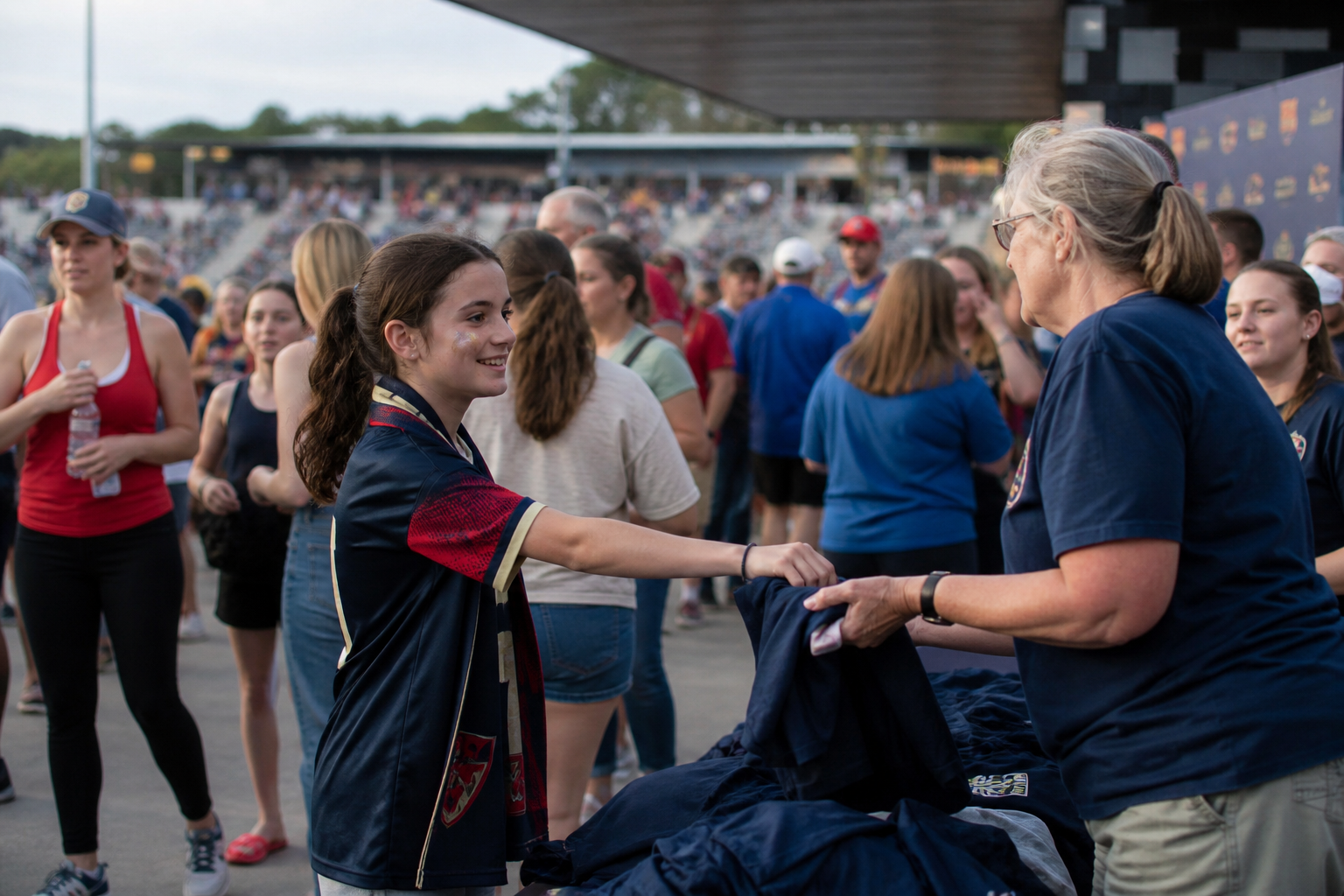
The shift is visible in the product lines. The strategy moves beyond the classic replica kit to focus on streetwear-inspired designs that act as subtle, yet powerful, signals of affiliation. The goal is to create pieces that a fan might wear to a coffee shop, a co-working space, or a concert, sparking organic brand visibility and conversations.
This approach mirrors the broader explosion of fan-driven fashion in women’s sports, where supporters often lead the charge in demanding more sophisticated and versatile merchandise. By delivering on this demand, the Courage are not just generating commercial revenue; they are co-creating a visual language with their fanbase. The merchandise becomes a tool for supporters to articulate their own identity, intertwined with the values of empowerment, athleticism, and community that the club represents.
A Strategy for Long-Term Commercial Growth
Behind the stylish designs and inclusive messaging lies a sharp commercial strategy aimed at strengthening long-term growth. The expanded brand footprint is designed to boost engagement touchpoints, turning casual attendees into deeply invested lifestyle members. This strategy is a direct response to the increasing professionalism of the NWSL, where clubs are competing not just for trophies, but for a share of the broader entertainment and cultural consumer market.
By embedding the brand into daily life, the Courage are targeting enhanced fan retention even during the off-season. The emotional connection fostered by a lifestyle-focused brand identity can lead to more stable attendance figures, stronger merchandise sales, and a more resilient commercial model. This forward-thinking blueprint likely fuels everything from sponsorship pitches to community partnerships, presenting the Courage as a vital cultural hub in North Carolina, not just a sports team.
The Wider Context of Women’s Sports Branding
The Courage’s lifestyle pivot is emblematic of a larger revolution across the National Women’s Soccer League (NWSL) and women’s sports globally. In a market historically underserved by major athletic brands, clubs are increasingly taking control of their own narratives and aesthetics, understanding that their supporters are a distinct, powerful demographic eager for authentic representation.
For a club anchored in the Raleigh-Cary community, the hyper-local focus is a significant competitive advantage. The “Place to BE!” mantra invites not just die-hard season ticket holders but the entire region to find a new identity anchor. As the Courage mark a decade of resilience and triumph, their biggest victory may be transforming the club from a sporting entity into a permanent, living piece of the local culture.
This evolving business model suggests a future where the club becomes synonymous with a region’s lifestyle identity—a status that promises to secure the franchise’s relevance for the next ten years and far beyond.