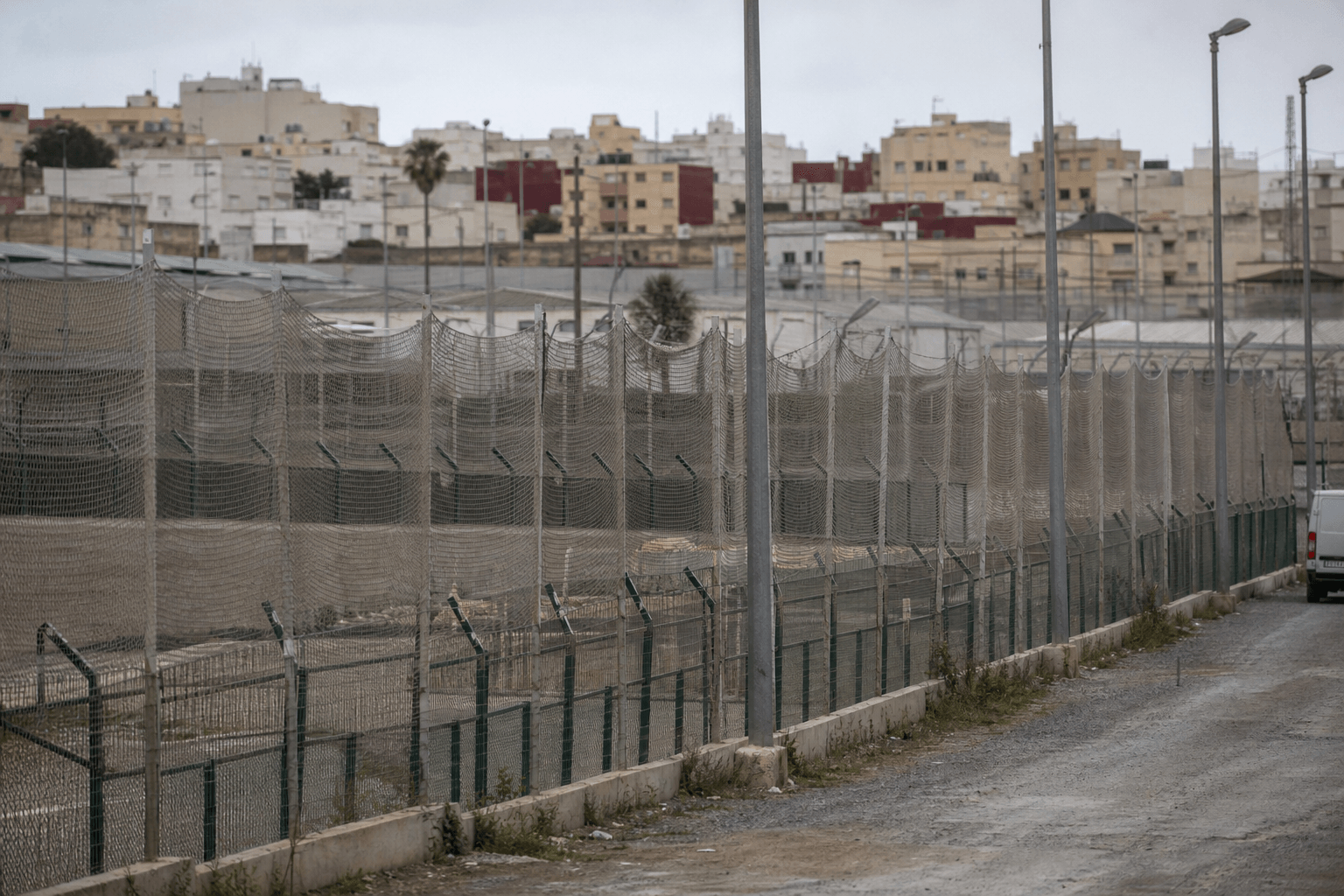
Spain ignored Ceuta warnings before 70,000-strong migrant rush, border unions say
Border unions accuse Madrid of ignoring Ceuta alerts before migrant rush
CEUTA, Spain — Border workers’ unions say Spanish authorities were warned repeatedly in the weeks before more than 70,000 migrants entered the enclave of Ceuta, and that Madrid did not move quickly enough to reinforce the frontier before the influx overwhelmed local capacity.
The allegation centres on whether the Spanish government disregarded frontline assessments that the North African enclave was under growing strain. The unions say their warnings called for additional personnel and operational support, but the precise recipients, timing and contents of those alerts were not immediately made public.
Border staff and union representatives said pressure had been building at crossing points and reception facilities in the period before the rush. It was not immediately clear from the unions’ account what specific operational or security changes, if any, were ordered in response to those warnings.
The reported scale of the influx — more than 70,000 people — is unusually large for a single border episode in Ceuta and has renewed scrutiny of Spain’s preparedness. Even smaller surges in previous years have strained reception centres, police holding areas and local social services in the enclave.
Ceuta remains a recurring migration pressure point
Ceuta is a Spanish enclave on the North African coast, separated from mainland Spain by the Mediterranean and bordered by Morocco. Its land boundary is one of the European Union’s external borders in Africa, making the enclave a frequent flashpoint for irregular crossings and broader diplomatic tensions between Madrid and Rabat.
Because of that geography, border management in Ceuta depends heavily on coordination between Spanish security forces and Moroccan authorities. Any lapse in that cooperation, or any delay in reinforcing Spanish personnel, can quickly turn a local rise in crossing attempts into a large-scale border episode.
Migration policy analysts have long described Ceuta and the neighbouring enclave of Melilla as vulnerable points on the Western Mediterranean route. The European Union border agency Frontex monitors this route as part of wider efforts to track irregular migration into the bloc.
What warnings were sent, and to whom?
Unions representing border workers said they transmitted concerns through official border security channels before the influx. They argue that frontline staff had direct knowledge of increased movement and of gaps in staffing or infrastructure that required immediate reinforcement.
However, the unions had not immediately produced a detailed timeline of written warnings, nor named every official who received them. That leaves open the question of whether the alerts reached senior decision-makers in Madrid and, if they did, why they did not trigger a faster operational response.
The Spanish government had not immediately issued a detailed reply to the unions’ allegations. In past border security incidents, Madrid has generally pointed to rapid deployment of police and Guardia Civil reinforcements, while also emphasising cooperation with Morocco on migration control. It was not immediately clear which measures, if any, were activated in the prelude to this rush.
Broader migration and diplomatic context
The enclave’s situation is closely tied to Spain’s relationship with Morocco. Rabat’s posture on border enforcement has often fluctuated with diplomatic disputes, affecting the number of people trying to cross into Ceuta and Melilla. Border workers’ unions have previously called for more stable staffing, better surveillance equipment and clearer rules of engagement at the Ceuta frontier.
Their latest criticism suggests that, whatever the external triggers, Spain’s internal warning system may not have translated early field reports into timely reinforcement. The dispute is likely to feed into a wider political debate in Spain over migration policy, border security and the conditions faced by both migrants and frontline officers.
With Ceuta once again at the centre of attention, lawmakers may face renewed demands to explain how intelligence from the ground is used — or ignored — before a crisis unfolds. The central question is whether frontline warnings were acted upon, and if not, who bears responsibility for the gap between early alarm and official response.
For now, the fact remains that more than 70,000 people entered the enclave after warnings were reportedly raised, leaving border workers and their unions asking why the alert system did not produce a visible pre-emptive reinforcement.